
How to Communicate with Seniors Who Don’t Want to Accept Home Care Assistance
Getting aging loved one to accept in-home care is never easy. Here’s how to get even the most stubborn senior to say “Yes.”
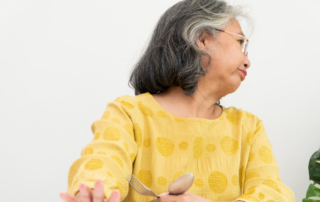
Getting aging loved one to accept in-home care is never easy. Here’s how to get even the most stubborn senior to say “Yes.”
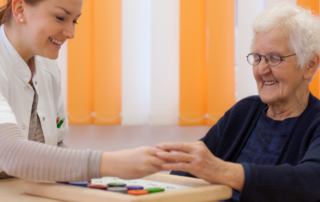
Finding ways to stimulate your aging loved ones isn't always easy. Making a memory box, playing games and family activities are a few ways to improve your senior's cognitive health.

Here are eight foot health tips for seniors and their caregivers that promote good foot health and can keep your senior’s feet comfortable.

Bedsores are painful, difficult to heal, can cause infections, and can be common in seniors. See what causes them and how to prevent them.

While dehydration might seem like a minor issue, it can lead to serious problems that can place seniors' independence at risk. See how to prevent it!
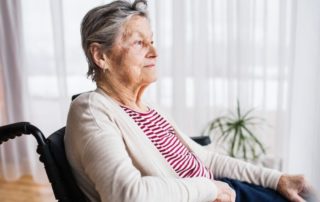
Recovering at home after a hospital stay can be hard on anyone, but it can be especially difficult for an aging-in-place senior and their loved ones. See how willpower can help them get through the recovery process.

According to the CDC, over 600 Americans die every year from heat-related illnesses- including many seniors. If you’re an informal caregiver here are several ways to keep your aging in place loved one cool, hydrated and comfortable all summer long.
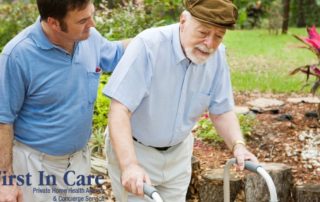
If you're currently a caregiver for a senior that has suffered a stroke, your role in providing them with the support they need can make a big difference in keeping them safe at home. Here are five tips to help make that happen and assist them with their stroke recovery.

Nearly three-quarters of all strokes occur in people over age 65, and the risk of stroke more than doubles each decade after the age of 55. The risk for strokes in seniors is concerning and these are sobering statistics for them and their caregivers. Here are some of the signs to look for so you can get them the crucial early treatment they need.

When Parkinson's progresses, it can create communication barriers that make caregiving more challenging. As a caregiver, finding ways to bridge that communication gap is essential for providing the level of care that your loved one needs.